
Home Decor

Transform your living space with stylish and practical home decor ideas. Explore expert tips, interior design inspiration, bedroom makeovers, décor trends, and product guides to create a beautiful and comfortable home with Jazkaa Luxe.

How to Wash Cotton Bedsheets Without Losing Their Softness
Home Decor

How to Wash Cotton Bedsheets Without Losing Their Softness

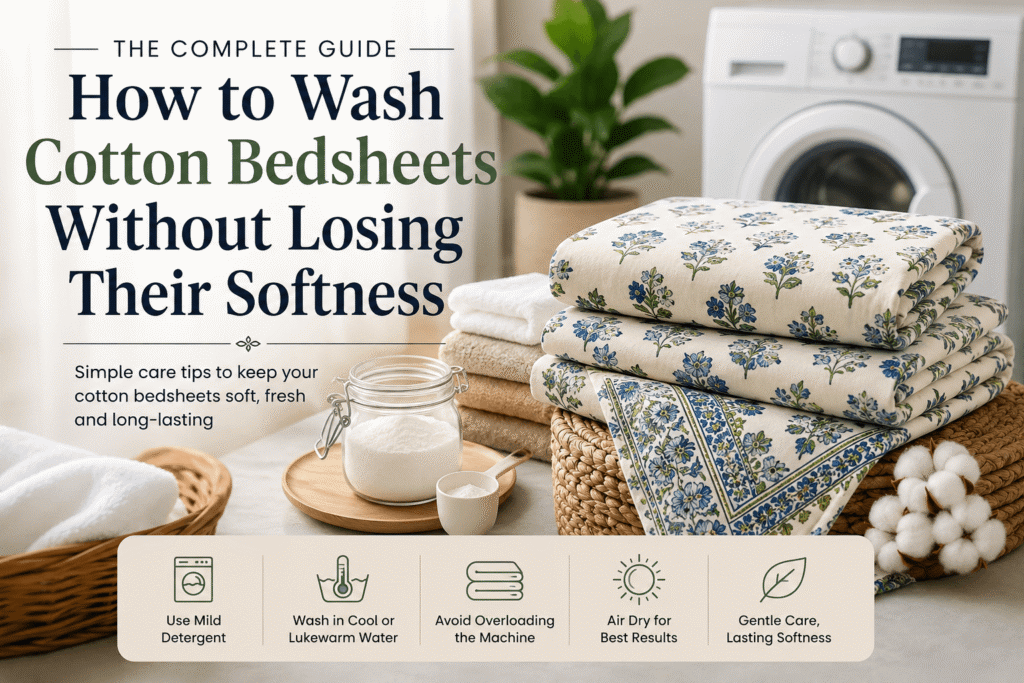
How to Wash Cotton Bedsheets Without Losing Their Softness Cotton bedsheets are loved for their softness, breathability, comfort, and everyday practicality. But if your favourite cotton bedsheets start feeling rough, stiff, faded, or less comfortable after a few washes, your laundry routine could be the reason. The good news is that washing cotton bedsheets properly can help preserve their softness, colour, breathability, and durability. You don’t need complicated cleaning techniques. Small changes such as using the right water temperature, choosing a mild detergent, avoiding excessive detergent, and drying your bedsheets correctly can make a noticeable difference. Whether you own a king size cotton bedsheet, double bed sheet, printed cotton bedsheet, or premium cotton bedding set, this guide explains exactly how to wash and care for cotton bedsheets without losing their softness. Quick Answer: To keep cotton bedsheets soft, wash them according to their care label using cool or lukewarm water, a mild detergent, and a gentle or suitable wash cycle. Avoid excessive detergent, harsh bleach, unnecessary fabric softener, and high drying temperatures. Dry them in shade or on a low-heat setting whenever possible. Why Do Cotton Bedsheets Lose Their Softness? Cotton is a natural fibre, and its feel can change depending on how frequently and aggressively it is washed and dried. Some of the most common reasons cotton bedsheets become rough or stiff include: Using too much detergent Washing with very hot water Using harsh chemicals or bleach Overloading the washing machine Washing bedsheets with rough garments or towels Using high heat while drying Leaving detergent residue in the fabric Excessive mechanical friction Incorrect ironing Not following the manufacturer’s care instructions Cotton sheets can naturally become softer over time when cared for properly. However, excessive heat, harsh chemicals and detergent buildup can work against that process. Current cotton bedding-care guides generally recommend cool-to-warm washing, mild detergent and avoiding unnecessary fabric softener and high heat. How to Wash Cotton Bedsheets Without Losing Softness Follow these simple steps every time you wash your cotton bedding. 1. Always Check the Care Label First Before putting your cotton bedsheet into the washing machine, check the care label. Different cotton fabrics, prints, finishes and blends can have different care requirements. The care label may provide information about: Recommended water temperature Machine washing instructions Hand washing instructions Drying instructions Bleaching restrictions Ironing temperature Special fabric-care requirements Even if a general cotton-care routine works for most bedsheets, the manufacturer’s instructions should always take priority. 2. Separate Bedsheets by Colour One of the easiest ways to protect your bedsheets is to separate them before washing. Create separate laundry groups for: White bedsheets Light-coloured bedsheets Dark-coloured bedsheets Printed bedsheets New or brightly coloured bedsheets Washing different colours together can result in colour transfer, especially when washing new printed bedding. If you have recently purchased a new printed cotton bedsheet, consider washing it separately the first time. This helps protect both the bedsheet and your other laundry. 3. Choose Cool or Lukewarm Water Water temperature plays an important role in cotton bedsheet care. For everyday washing, cool or lukewarm water is generally a good choice, unless the care label specifies otherwise. A moderate washing temperature can help: Reduce unnecessary shrinkage Protect colours Reduce fibre stress Preserve the feel of the fabric Keep printed designs looking attractive Very hot water may increase shrinkage and fabric wear over repeated washes. For routine cotton bedding, several current care guides recommend cool to warm washing rather than consistently using high temperatures. What About Hot Water? Hot washing can be appropriate for certain heavily soiled or specific hygiene situations, but it shouldn’t automatically be your default setting. Always follow the product care label and consider the type, colour and condition of the bedding. 4. Use a Mild Laundry Detergent The detergent you choose can have a significant impact on how your cotton bedsheets feel after washing. Choose a mild laundry detergent that is suitable for everyday fabrics. Avoid automatically using more detergent because you think it will make your bedsheet cleaner. In reality, excessive detergent can leave residue behind, which may make cotton fabric feel stiff or less comfortable. How Much Detergent Should You Use? Follow the detergent manufacturer’s dosage instructions and adjust according to: Load size Soil level Water hardness Washing machine instructions Detergent concentration If your bedsheets are only lightly soiled, there is usually no benefit in dramatically increasing the detergent quantity. More detergent does not necessarily mean cleaner bedsheets. 5. Avoid Excessive Fabric Softener Fabric softener may seem like the obvious solution when your bedsheets feel rough, but using it regularly isn’t always the best approach for cotton bedding. Fabric softeners can leave a coating on fibres, which may affect the fabric’s natural breathability and absorbency over time. Several bedding-care sources recommend skipping routine fabric softener for cotton and allowing the fabric to soften naturally through proper washing. If your cotton bedsheets have suddenly become stiff, first investigate: Too much detergent Inadequate rinsing Hard water Excessive heat Overloading the machine These issues may be more important than simply adding more softener. 6. Don’t Overload the Washing Machine This is one of the most overlooked bedsheet washing mistakes. Bedsheets need sufficient room to move freely inside the washing machine. If you completely fill the drum with bedding, the sheets can become tightly twisted and tangled. This can result in: Uneven cleaning Excessive creasing Poor detergent distribution Inadequate rinsing Increased friction Longer drying times Instead, wash bedding in a reasonably sized load that gives the sheets room to circulate. For a large king size cotton bedsheet, avoid squeezing it into an already-full washing machine. 7. Wash Bedsheets Separately From Rough Fabrics Whenever possible, avoid washing delicate cotton bedsheets together with rough or heavy items. For example, avoid combining your bedsheets with: Heavy jeans Shoes Towels Rough blankets Heavy upholstery fabrics Garments with zippers or hooks These items can increase friction during the wash cycle. Instead, wash your bedsheets with similar lightweight bedding or soft fabrics. This simple habit can help protect the weave

Why Does My Pillow Go Flat? Causes & Solutions to Keep Your Pillow Fluffy and Supportive
Home Decor

Why Does My Pillow Go Flat? Causes & Solutions to Keep Your Pillow Fluffy and Supportive

Why Does My Pillow Go Flat? Causes & Solutions to Keep Your Pillow Fluffy and Supportive Have you ever gone to bed with a soft, fluffy pillow only to wake up with it feeling completely flat? If so, you are not alone. Pillows naturally lose their loft and shape over time, but certain habits, materials, and maintenance mistakes can make a pillow go flat much faster. A flat pillow is more than just an uncomfortable bedding problem. When your pillow loses its height and support, it may no longer provide the cushioning your head and neck need during sleep. The right pillow should help maintain comfortable alignment while supporting your preferred sleeping position. In this detailed guide, we will explain why pillows go flat, what causes pillow flattening, how to make a flat pillow fluffy again, how to prevent your pillow from losing its shape, and when it is finally time to replace it. Whether you have a cotton-filled pillow, fibre pillow, memory foam pillow, or another type of bedding cushion, these practical tips can help you get more comfort and longevity from your pillow. Why Does My Pillow Go Flat? The most common reason a pillow goes flat is repeated compression. Every night, your head and neck place pressure on the pillow. Over hundreds of nights, the filling is repeatedly compressed. Some materials recover their original loft after pressure is removed, while others gradually lose their ability to bounce back. According to Sleep Foundation, factors such as repeated pressure, moisture, dirt and accumulated oils can contribute to a pillow losing its loft. Different filling materials also have different levels of durability and shape retention. The major causes include: Daily compression Low-quality or unsuitable filling Moisture and sweat Improper washing and drying Uneven distribution of filling Lack of regular fluffing Using the same side of the pillow every night Age and normal material deterioration Let’s look at each cause in detail. 1. Daily Pressure Can Flatten Your Pillow The biggest reason your pillow becomes flat is simple: you use it every night. Your head remains in roughly the same area for several hours, compressing the filling underneath it. Over time, repeated pressure can cause fibres, clusters or foam materials to lose some of their original loft. This is especially noticeable when a pillow develops a permanent depression in the centre. How to prevent it Try fluffing your pillow regularly and occasionally changing its position on the bed. If the filling allows it, gently shake, squeeze and redistribute the pillow to prevent one area from carrying all the pressure. 2. Your Pillow Filling May Be Losing Its Loft Not every pillow filling behaves in the same way. Some fillings are naturally more resilient, while others compress more quickly. Sleep Foundation notes that down, feather and down-alternative pillows generally require more frequent fluffing, while solid foam and latex options tend to retain their shape differently. If your pillow becomes flat soon after purchase, the problem may be related to: Low-quality filling Insufficient filling density Poor construction Filling that clumps easily A pillow that does not suit your sleeping position This is why choosing a quality pillow is important if you want long-lasting comfort and better shape retention. 3. Sweat and Moisture Can Make Pillows Flat Your pillow is exposed to body heat and moisture every night. Sweat, humidity, natural skin oils and other moisture can gradually affect the pillow filling. Moisture can encourage certain types of filling to clump or become less fluffy. Keeping your pillow in a damp environment can make the problem worse. What should you do? Allow your pillow to air out regularly. If the manufacturer’s care instructions permit it, clean and dry the pillow properly. Important: Always follow the manufacturer’s washing instructions. Not every pillow should be machine washed or tumble dried. For example, memory foam and latex pillows generally require different care from fibre-filled pillows. 4. Washing Your Pillow Incorrectly Can Cause Flattening Cleaning your pillow is important, but improper washing can damage the filling. Using excessive detergent, washing at the wrong temperature, overloading the washing machine or failing to dry the pillow completely can affect its texture and shape. Some pillows can be machine washed, while others require spot cleaning or specific care. Before washing, always check: The care label Recommended water temperature Suitable detergent Whether machine washing is allowed Whether tumble drying is permitted Recommended drying method A pillow that remains damp inside can develop unpleasant odours and may lose its freshness. 5. Your Pillow May Need Regular Fluffing Sometimes a pillow isn’t permanently flat—it simply needs to be fluffed. Fluffing helps redistribute the filling and restore some of the air and volume between the fibres. Sleep Foundation recommends manual fluffing for several types of fill, particularly when the filling has become compressed or uneven. How to fluff a pillow by hand Try this simple method: Step 1: Hold the pillow from opposite sides. Step 2: Gently squeeze and release it several times. Step 3: Shake the pillow to redistribute the filling. Step 4: Massage any visible lumps or compressed areas. Step 5: Leave the pillow in a well-ventilated area for some time. Avoid aggressively beating or twisting the pillow, especially if the filling or construction is delicate. 6. Sleeping on the Same Side Every Night If you always sleep on the same side of the pillow, the filling underneath your head receives more pressure than the rest. Over time, this can create: A permanent dent Uneven filling Lumps Reduced loft Uneven neck support Regularly fluffing and repositioning your pillow can help distribute the filling more evenly. How to Make a Flat Pillow Fluffy Again Before replacing your pillow, try a few simple methods. Method 1: Manual Fluffing Hold the pillow by both ends and gently pull it outward. Shake it from side to side and massage compressed sections. This is particularly useful when the filling has simply shifted rather than permanently deteriorated. Method 2: Air It Out Place the pillow in a clean,

What Is a Mattress Protector and Do You Need One? A Complete Guide
Home Decor

What Is a Mattress Protector and Do You Need One? A Complete Guide

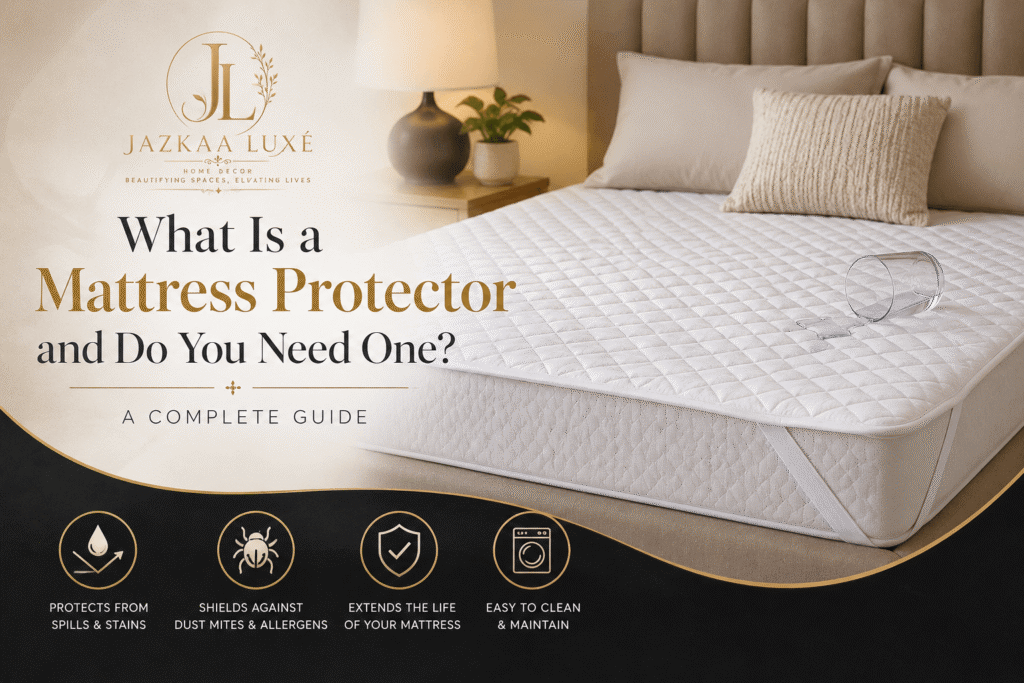
What Is a Mattress Protector and Do You Need One? A Complete Guide A mattress is one of the most important investments in your bedroom. We spend several hours every night sleeping on it, yet many people forget that a mattress is exposed to sweat, dust, body oils, accidental spills, stains and everyday wear. This is where a mattress protector can make a significant difference. But what exactly is a mattress protector? Is it really necessary? Is a waterproof mattress protector better than a regular one? And how is a mattress protector different from a mattress pad or bedsheet? In this detailed guide, we’ll answer all these questions and help you understand why mattress protection matters, the benefits of using a mattress protector, how to choose one and how to maintain it properly. What Is a Mattress Protector? A mattress protector is a removable layer of bedding that is placed directly over your mattress and underneath your fitted bedsheet. Its primary purpose is to create a protective barrier between your mattress and everyday moisture, dirt, stains, dust and other contaminants. Unlike a regular bedsheet, which is primarily designed for comfort and bedroom aesthetics, a mattress protector is specifically designed to protect the mattress itself. Many mattress protectors are designed like fitted sheets, with elastic edges that keep them securely positioned around the mattress. Some options also include waterproof or water-resistant layers to help prevent liquids from reaching the mattress. A mattress protector can therefore be considered an important part of a complete bedding setup. What Does a Mattress Protector Do? The main purpose of a mattress protector is simple: protect your mattress from everyday damage and make mattress maintenance easier. Depending on its construction and material, a good mattress protector can help protect against: Sweat and moisture Accidental liquid spills Food and beverage stains Dust and dirt Body oils Everyday debris Pet-related messes Allergens General surface wear Because most mattresses are difficult to wash thoroughly, preventing contaminants from reaching the mattress in the first place can be much easier than trying to deep-clean the mattress later. Why Do You Need a Mattress Protector? You may be wondering, “Do I really need a mattress protector?” Technically, you can sleep on a mattress without one. A mattress protector isn’t an absolute requirement for sleeping. However, it can be a practical and relatively simple way to protect an expensive mattress from everyday accidents and moisture. Here are some of the biggest reasons to consider using one. 1. Protects Your Mattress From Spills A glass of water, morning tea, coffee or juice can accidentally spill on your bed. Without a protective layer, liquid can pass through the bedsheet and reach the mattress. Once absorbed, removing the moisture and stain from the mattress can be difficult. A waterproof mattress protector provides an additional barrier that can help prevent liquid from reaching the mattress. This can be especially useful in homes with children, pets or people who frequently eat or drink in bed. 2. Helps Protect Against Sweat and Moisture Sweating during sleep is normal. Over time, moisture and body oils can accumulate on bedding and potentially reach the mattress. A mattress protector creates an additional layer between your body and the mattress, helping reduce the amount of moisture that reaches the mattress. This is particularly useful in warm and humid climates where perspiration can be a regular part of everyday sleep. 3. Helps Keep Your Mattress Cleaner One of the biggest advantages of a mattress protector is convenience. A mattress cannot simply be thrown into a washing machine like a bedsheet. Cleaning a mattress usually requires spot cleaning, vacuuming or professional cleaning depending on the material and manufacturer’s instructions. A removable mattress protector, on the other hand, can generally be taken off and cleaned according to its care instructions. This makes maintaining your overall bedroom hygiene much easier. 4. Helps Reduce Allergen Exposure Mattresses can accumulate dust, dead skin cells and allergens over time. For people who are sensitive to household allergens, keeping bedding clean can be particularly important. Some mattress protectors are designed to create a barrier that limits the amount of allergens reaching the mattress. However, a mattress protector shouldn’t be considered a complete solution for allergies. Regular cleaning of bedsheets, pillow covers, blankets and the surrounding bedroom environment is also important. 5. Helps Prevent Mattress Stains Mattress stains can be difficult to remove and may permanently affect the appearance of the mattress. A protector acts as the first line of defence against accidental spills, sweat and other sources of staining. This is one reason mattress protectors are particularly useful for: Children’s bedrooms Guest bedrooms Rental properties Hostel and PG rooms Homes with pets Newly purchased mattresses 6. Can Help Extend Mattress Life A mattress is not an inexpensive purchase. Protecting it from moisture, stains, dirt and everyday contamination can help keep the mattress in better condition over time. A protector cannot stop normal mattress wear and tear or prevent every type of damage, but it can provide an additional protective layer that may contribute to better mattress maintenance. Mattress Protector vs Bedsheet: What’s the Difference? A common mistake is assuming that a bedsheet provides the same protection as a mattress protector. It doesn’t. A bedsheet is primarily designed to provide a comfortable and attractive surface for sleeping. A mattress protector is placed underneath the bedsheet and is designed to protect the mattress. Think of your bedding in layers: Mattress → Mattress Protector → Fitted Bedsheet → Pillows & Bedding For example, you can pair a protective mattress layer with an attractive cotton bedsheet set such as the Jazkaa Luxe King Size Cotton Bedsheet Set, which includes a king-size bedsheet and matching pillow covers. This combination allows you to focus on both mattress protection and bedroom aesthetics. Mattress Protector vs Mattress Pad The terms mattress protector and mattress pad are often used interchangeably, but they serve different purposes. Mattress Protector The primary purpose is protection. It is generally thinner and designed to

Best Pillow Covers for Everyday Use: How to Choose the Right Pillowcase for Comfort, Hygiene & Style
Home Decor

Best Pillow Covers for Everyday Use: How to Choose the Right Pillowcase for Comfort, Hygiene & Style

Best Pillow Covers for Everyday Use: How to Choose the Right Pillowcase for Comfort, Hygiene & Style A good night’s sleep is not only about choosing the right mattress or pillow. The pillow cover that comes in direct contact with your face and hair every night also plays an important role in your overall sleeping experience. Whether you are looking for soft pillow covers for everyday use, breathable cotton pillow covers for summer, stylish pillowcases for your bedroom, or easy-to-wash bedding for daily use, choosing the right material and design can make a noticeable difference. At Jazkaa Luxe, we believe that everyday bedding should combine comfort, quality, durability and style. In this guide, we will explore how to choose the best pillow covers for everyday use, which fabrics are suitable for different requirements, how frequently pillow covers should be washed, and what features you should look for before buying. Why Choosing the Right Pillow Cover Matters Your pillow cover is one of the bedding products that stays in close contact with your face and hair for several hours every night. Because of this, its fabric, texture, breathability and cleanliness can influence your comfort. A good pillow cover should ideally be: Soft and comfortable against the skin Breathable enough for everyday sleeping Easy to wash and maintain Durable enough to withstand regular washing Properly sized for your pillow Suitable for the weather and your sleeping preferences Attractive enough to complement your bedroom décor The right pillowcase can also help your bed look more organised and coordinated. For example, if you want to refresh your entire bedroom rather than changing pillow covers individually, a coordinated bedding set can be an excellent option. The Jazkaa 4146 King Size Cotton Bedsheet Set includes a large cotton bedsheet along with two matching pillow covers, making it suitable for creating a coordinated everyday bedroom look. What Are the Best Pillow Covers for Everyday Use? For most households, cotton pillow covers are an excellent choice for everyday use because cotton is comfortable, breathable and relatively easy to maintain. Cotton pillowcases are particularly useful for people who want bedding that can be washed regularly without requiring complicated care. The best everyday pillow cover ultimately depends on your individual needs. Best Pillow Covers Based on Your Requirement Requirement Suitable Pillow Cover Everyday use Cotton pillow covers Hot weather Breathable cotton pillow covers Easy maintenance Machine-washable cotton covers Soft sleeping surface Soft cotton or sateen-style fabrics Luxury bedroom look Premium decorative pillow covers Hair-conscious sleepers Smooth satin or silk-style pillowcases Bedroom styling Printed or designer pillow covers Long-term regular use Durable cotton pillow covers There is no single pillowcase material that is perfect for everyone. Material, weave, climate, personal preference and maintenance requirements all matter. 1. Cotton Pillow Covers – A Reliable Choice for Daily Use If you are looking for the best pillow covers for everyday use, cotton is one of the most practical options to consider. Cotton is widely used for bedding because it offers a comfortable combination of softness, breathability and durability. Benefits of Cotton Pillow Covers Breathable: Cotton allows air to circulate through the fabric, making it particularly comfortable during warmer weather. Comfortable: A good-quality cotton pillow cover feels soft and pleasant against the skin. Easy to maintain: Cotton pillow covers are generally easier to wash and care for than delicate luxury fabrics. Suitable for regular washing: Since pillow covers come into frequent contact with skin, hair, sweat and natural oils, being able to wash them regularly is important. Versatile: Cotton pillowcases can work with traditional, contemporary and minimalist bedroom décor. For Indian households, where warm and humid weather can be a concern, breathable cotton bedding can be especially practical. 2. Soft Pillow Covers for a Comfortable Sleeping Experience If comfort is your top priority, look for a pillow cover with a soft, smooth and skin-friendly texture. A pillow cover that feels rough or uncomfortable can make your sleeping experience less pleasant, particularly for people who move frequently during the night. When shopping for soft pillow covers, consider: Fabric quality Weave Stitching quality Fabric thickness Overall finish Washing and care requirements It is also important not to confuse softness with poor-quality fabric. A high-quality pillow cover should provide softness while maintaining its structure and durability after repeated washing. 3. Breathable Pillow Covers for Summer During summer, your pillow cover can influence how comfortable you feel while sleeping. For hot sleepers, breathable cotton pillow covers are generally a practical choice. Cotton bedding is known for its airflow and moisture-absorbing properties, making it a popular choice for warm climates. If your bedroom tends to become warm at night, consider: Cotton pillow covers Lightweight fabrics Breathable weaves Light-coloured bedding Easy-to-wash materials You can also pair breathable pillow covers with lightweight cotton bedsheets to create a more comfortable summer bedding setup. 4. Satin Pillow Covers for Hair & Skin Satin pillowcases have become increasingly popular among people interested in hair and skincare. Unlike cotton, satin has a smooth surface that can reduce friction between the pillowcase and hair or skin. This is one reason satin pillowcases are often associated with reducing hair tangling, frizz and friction. However, it is important to understand that satin describes a type of weave rather than a single fibre. Satin can be produced using different materials, including polyester, rayon, nylon and silk. Satin may therefore be worth considering if your priorities include: A smoother sleeping surface Reduced friction against hair A luxurious bedroom appearance A softer-feeling pillowcase However, satin may require more careful maintenance than everyday cotton, depending on the material. 5. Cotton vs Satin Pillow Covers: Which Is Better? One of the most common questions shoppers ask is whether they should choose cotton or satin pillow covers. The answer depends on what you value most. Cotton Pillow Covers Best for: Everyday use, hot weather, easy maintenance and breathable comfort. Cotton is generally practical for households that wash their pillow covers frequently and want a fabric that works throughout the year. Satin Pillow Covers

How Often Should You Wash Pillow Covers? The Complete Pillowcase Cleaning Guide
Home Decor

How Often Should You Wash Pillow Covers? The Complete Pillowcase Cleaning Guide

How Often Should You Wash Pillow Covers? The Complete Pillowcase Cleaning Guide Your pillow cover may look clean, but every night it comes into direct contact with your face, hair, skin, sweat and natural body oils. Over time, these can build up along with dust, dead skin cells, skincare or makeup residue and other everyday debris. So, how often should you wash pillow covers? For most people, the best rule is once a week, ideally at the same time you wash your bedsheets. Sleep Foundation also recommends washing pillowcases at least weekly, while people who sweat heavily, have pets sleeping on the bed, or experience allergies may benefit from washing them more frequently. If you want a cleaner, fresher and more comfortable bedroom, establishing a regular pillow cover washing routine is one of the easiest habits to adopt. How Often Should You Wash Pillow Covers? For everyday use, wash your pillow covers once every 7 days. However, your ideal washing frequency can change depending on your lifestyle: Situation Recommended Pillow Cover Washing Normal everyday use Once a week Heavy sweating at night 2–3 times a week Oily skin or hair 2–3 times a week Pets sleep on your bed 2–3 times a week Allergies or sensitivity to dust Several times a week to weekly After illness Wash immediately Pillow cover visibly dirty/stained Wash immediately Hot and humid weather More frequently, as needed Pillowcases are among the bedding items that have the most direct contact with your body, so they generally require more frequent washing than items such as blankets or comforters. Why Is It Important to Wash Pillow Covers Regularly? Your pillow cover acts as a protective layer between your face and pillow. But that doesn’t mean it stays clean indefinitely. During sleep, your pillow cover can collect: Sweat Facial oils Hair oils Dead skin cells Dust Skincare products Makeup residue Saliva Pet hair and dander Everyday dirt Over time, this buildup can make your bedding feel less fresh and may contribute to unpleasant odours and irritation for some people. Regular washing helps maintain better sleep hygiene and keeps your bedroom bedding fresh. Sleep Foundation notes that bedding can accumulate sweat, oils, dirt and allergens, and recommends washing pillowcases and sheets regularly. Can Dirty Pillow Covers Cause Skin Problems? A pillow cover comes into contact with your face for several hours every night. If you go to bed with skincare products, makeup, hair products or excess facial oil, some of that residue can transfer onto the fabric. A pillowcase that isn’t washed regularly can therefore accumulate oils and other residues. If you are prone to oily skin, acne or skin irritation, changing your pillow cover more frequently may be a useful part of your overall hygiene routine. However, pillowcase cleanliness isn’t the only factor affecting skin health. If you experience persistent acne or irritation, consider speaking with a qualified dermatologist. How Often Should You Wash Pillow Covers in Summer? In hot and humid weather, you may need to wash your pillow covers more frequently than once a week. This is especially true if you: Sweat heavily while sleeping Sleep without air conditioning Live in a hot or humid environment Have oily skin or hair Exercise frequently Use heavy hair oils or styling products Summer sweat can make pillow covers feel dirty faster. A practical approach is to keep multiple pillow cover sets so you can replace them quickly while the used ones are being washed. How Often Should You Wash Pillow Covers If You Have Pets? If your dog or cat sleeps on your bed, consider increasing your pillow cover washing frequency. Pets can bring hair, dander and outdoor dirt onto bedding. Sleep Foundation recommends washing bedding more frequently when pets sleep in the bed. In this situation, changing pillow covers two or more times per week can be a practical choice depending on how much exposure there is. You should also regularly wash your bedsheets and clean the surrounding bedroom area. How Often Should You Wash Pillow Covers If You Have Allergies? People who are sensitive to dust or allergens may benefit from more frequent bedding changes. Dust mites and other allergens can accumulate in bedding, and regular cleaning can help reduce this buildup. Sleep Foundation recommends more frequent bedding cleaning for people with allergies or asthma. For allergy-sensitive households, focus on a complete bedding routine rather than washing only the pillow covers: Pillow covers → Bedsheets → Mattress protector → Pillow → Blankets Always follow the manufacturer’s care instructions for each item. How to Wash Pillow Covers Properly Simply putting your pillow covers into the washing machine isn’t always enough. Proper washing can help maintain their appearance, softness and durability. 1. Check the Care Label Before washing, check the manufacturer’s instructions. Different fabrics may have different requirements for: Water temperature Detergent Washing cycle Drying Ironing Bleaching When in doubt, follow the care label rather than using a generic washing method. 2. Separate Colours Wash white, light-coloured and dark pillow covers separately when possible. This can help reduce the risk of colour transfer. 3. Don’t Overload the Washing Machine Give your pillow covers enough room to move around during the wash cycle. Overloading the machine can reduce washing effectiveness and may leave some areas inadequately cleaned. 4. Use a Suitable Detergent A mild or suitable laundry detergent is generally a good option for regular bedding. If you have sensitive skin, choose a detergent appropriate for sensitive skin and follow the manufacturer’s instructions. 5. Dry Completely Make sure pillow covers are completely dry before putting them back on your pillows. Damp bedding should not be stored or used because prolonged moisture can create an unsuitable environment for mould and unpleasant odours. How Often Should You Change Pillow Covers? Washing and replacing are two different things. You should wash pillow covers weekly, but you don’t necessarily need to replace them every week. Sleep Foundation recommends replacing pillowcases approximately every 1–2 years, depending on their condition and material. Consider replacing a

Queen Size Bedsheet Buying Guide: How to Choose the Perfect Bedsheet for Your Bed
Cotton Bedsheet, Home Decor

Queen Size Bedsheet Buying Guide: How to Choose the Perfect Bedsheet for Your Bed

Queen Size Bedsheet Buying Guide: How to Choose the Perfect Bedsheet for Your Bed Choosing a bedsheet may look simple, but once you start shopping online, you will find hundreds of options in different sizes, fabrics, colours, prints, thread counts and price ranges. One of the most common choices for modern bedrooms is a queen-size bedsheet because it offers a comfortable balance between sleeping space and bedroom dimensions. But how do you know which queen size bedsheet is right for your mattress? What fabric should you choose? Is a higher thread count always better? What size should a queen bedsheet actually be? And should you choose cotton, microfiber, or a blended fabric? This complete queen size bedsheet buying guide will help you answer these questions and choose a bedsheet that looks beautiful, feels comfortable and fits your bed properly. What Is a Queen Size Bedsheet? A queen size bedsheet is designed for a queen or medium-to-large double bed. However, queen bed dimensions are not completely standard across all Indian homes and manufacturers, so you should always check the actual mattress dimensions and the bedsheet dimensions before placing an order. Many Indian bedding guides list queen/double bedsheets around 90 × 100 inches, while other brands may use different measurements. Therefore, relying only on the term “queen size” can result in an incorrect fit. Before buying a queen size bedsheet, measure: Mattress length Mattress width Mattress thickness Desired side drop Whether you want to tuck the sheet under the mattress This simple step can prevent one of the most common bedsheet-buying mistakes: purchasing a beautiful sheet that does not properly cover your mattress. Queen Size Bedsheet Size: What You Should Check The actual dimensions are more important than the label “queen size.” For example, two products may both be advertised as queen or double bedsheets but have different measurements. A deeper mattress also requires more fabric for comfortable tucking. Simple formula for choosing a bedsheet When purchasing a flat bedsheet, consider: Bedsheet width = mattress width + mattress depth + desired side drop × 2 Bedsheet length = mattress length + mattress depth + desired head/foot drop You do not need to calculate this every time if the manufacturer provides a recommended mattress size. However, checking the measurements is particularly important when buying queen size bedsheets online. 7 Things to Check Before Buying a Queen Size Bedsheet 1. Choose the Right Bedsheet Fabric Fabric is one of the most important factors affecting the comfort, breathability and durability of your bedsheet. Cotton Bedsheets For everyday Indian homes, cotton bedsheets are one of the most practical choices. Cotton is breathable, comfortable and suitable for regular washing. A good cotton queen size bedsheet can work particularly well for warm weather and everyday use. Cotton Percale Percale has a crisp, lightweight feel and is generally associated with good airflow, making it a popular option for people who prefer a cool sleeping surface. Cotton Sateen Sateen generally has a smoother, silkier surface and a slightly more luxurious drape. It can be a good choice if you prefer a softer and more polished bedroom look. Microfiber Microfiber bedsheets are usually lightweight and affordable, but synthetic fabrics can feel warmer than cotton, particularly in hot or humid conditions. Polycotton Polycotton combines cotton with synthetic fibres. It can be practical and easy to maintain, but if your priority is natural breathability, pure cotton is generally worth considering. Tip: Always read the fabric composition instead of relying on phrases such as “cotton feel” or “cotton touch.” 2. Don’t Choose a Bedsheet Only by Thread Count Thread count is one of the most commonly advertised bedsheet specifications, but it should not be the only factor you consider. Thread count refers to the number of threads woven into one square inch of fabric. A higher number does not automatically mean that a bedsheet will be softer, cooler or better. Fabric quality, yarn, weave and construction also influence how the sheet feels. What thread count should you look for? For many cotton bedsheets, approximately 200–400 TC can provide a good balance between comfort, breathability and durability, although the ideal choice depends on the fabric and weave. A practical way to think about it: Thread Count General Feel Suitable For 180–200 TC Lightweight and breathable Summer & everyday use 200–300 TC Soft and balanced Everyday bedrooms 300–400 TC Smoother and more premium Premium bedding 400+ TC Can feel denser Cooler rooms / luxury preference The key takeaway is simple: Don’t buy a bedsheet simply because it says 800 TC or 1000 TC. Look at the fabric composition, weave, construction and actual product specifications as well. 3. Consider the Climate You Live In Your location and sleeping habits should influence your bedsheet choice. If you live in a warm climate or frequently feel hot while sleeping, choose a lightweight, breathable cotton bedsheet. For summer, cotton or cotton-percale options can provide a comfortable, airy sleeping surface. For air-conditioned rooms or cooler weather, you may prefer a slightly heavier or smoother fabric. Best bedsheet for summer For most Indian homes, a lightweight cotton bedsheet is a practical choice for summer because it offers breathability and comfortable everyday use. 4. Check the Bedsheet Dimensions Before Ordering This is especially important when purchasing a queen size bedsheet online. Never assume that every queen size bedsheet has identical dimensions. Check the product description for: Bedsheet length Bedsheet width Mattress compatibility Pillow cover dimensions Number of pillow covers included Flat or fitted design Border or extra fabric for tucking For example, Jazkaa Luxe’s Jazkaa 4146 King Size Cotton Bedsheet is listed at 275 × 275 cm and includes two matching pillow covers. It is designed for a king-size double bed rather than a queen-size mattress. This is a good example of why checking the actual product measurements is more reliable than shopping only by generic size labels. 5. Select the Right Bedsheet Style for Your Bedroom A bedsheet is not just a functional product. It can completely change the appearance of

Cervical Pillow Benefits: How an Orthopedic Pillow Supports Your Neck & Improves Sleep
Home Decor

Cervical Pillow Benefits: How an Orthopedic Pillow Supports Your Neck & Improves Sleep

Cervical Pillow Benefits: How an Orthopedic Pillow Supports Your Neck & Improves Sleep Waking up with a stiff neck, shoulder discomfort, or a feeling that you did not sleep properly can sometimes be related to your sleeping posture and pillow support. The pillow you use every night plays an important role in keeping your head and neck comfortable while you sleep. A cervical pillow, also known as an orthopedic pillow or neck support pillow, is designed to provide targeted support to the neck while helping maintain a more natural alignment of the head, neck, and spine. Unlike a traditional flat pillow, many cervical pillows feature a contoured shape that supports the neck and cradles the head. Choosing the right pillow can make your bedtime routine more comfortable and may help promote better sleeping posture. However, the ideal pillow depends on factors such as your sleeping position, mattress firmness, pillow height, body shape, and personal comfort. In this guide, let’s explore the benefits of cervical pillows, how cervical pillows work, who should use them, how to choose the right neck support pillow, and how to use one correctly. What Is a Cervical Pillow? A cervical pillow is an ergonomically designed pillow intended to support the natural curve of the cervical region of the spine. Unlike conventional pillows that may have a relatively uniform height, cervical pillows often have a contoured structure. The raised portion can support the neck while the lower section provides space for the head. Many cervical pillows are made using materials such as memory foam or latex because these materials can conform to the shape of the head and neck while providing support. The primary purpose of a cervical pillow is not simply to make your bed more comfortable. It is to help create a sleeping position where your head, neck, and spine remain properly supported. 7 Important Cervical Pillow Benefits A properly selected cervical pillow can offer several potential benefits, particularly for people who want better neck support and improved sleeping posture. 1. Supports Natural Neck Alignment One of the biggest cervical pillow benefits is improved support for the neck. When you sleep, your head should ideally remain in a relatively neutral position rather than being pushed too far forward, backward, or sideways. A pillow with an appropriate height and contour can help fill the space between your head, neck, and mattress. Maintaining better alignment may help reduce unnecessary strain caused by an unsupported sleeping position. Sleep Foundation notes that good sleep posture involves maintaining the natural curvature of the spine with appropriate support from the mattress and pillow. 2. May Help Reduce Morning Neck Stiffness Have you ever gone to bed feeling fine but woken up with a stiff or uncomfortable neck? Your pillow could be one factor worth evaluating. A pillow that is excessively high, too low, or unable to provide adequate support may interfere with comfortable sleeping posture. A well-designed cervical pillow can provide more targeted support around the neck. This does not mean a cervical pillow will cure neck pain or treat an underlying medical condition. However, choosing an appropriate pillow and sleeping position may help create a more supportive sleep environment. For people experiencing persistent or severe neck pain, professional medical advice is recommended. 3. Helps Promote Better Sleeping Posture Your sleeping posture can influence how your head, neck, shoulders, and spine are positioned throughout the night. A supportive pillow should complement your sleeping position rather than forcing your head into an unnatural angle. For example: Back sleepers generally benefit from moderate pillow height and adequate neck support. Side sleepers usually require a higher pillow to fill the space between the shoulder and head. Stomach sleepers often need a much thinner pillow because excessive height can place the neck at an awkward angle. This is why there is no single “best cervical pillow” for everyone. Your sleeping position should be one of the first factors you consider when selecting a pillow. 4. Provides Targeted Neck Support Traditional pillows are primarily designed to provide general head support. A cervical pillow, on the other hand, is specifically shaped to provide additional support around the cervical region. Contour designs can cradle the head while providing a raised area beneath the neck. This can be particularly useful for people who prefer sleeping on their back or side and want a more structured neck support pillow. A cervical pillow should feel supportive rather than excessively hard or uncomfortable. The goal is to maintain a comfortable neutral position rather than force the neck into a particular shape. 5. Can Improve Overall Sleep Comfort Comfort is an important part of good sleep. If your pillow repeatedly causes pressure, forces your head into an uncomfortable angle, or requires you to constantly adjust your position, it may interfere with your ability to settle comfortably. A properly fitted cervical pillow may help create a more comfortable sleep setup by providing appropriate support for the head and neck. However, remember that pillow comfort also depends on factors such as mattress firmness, sleeping position, pillow material, temperature regulation, and personal preference. 6. May Be Useful for Side and Back Sleepers Cervical pillows are particularly relevant for people who sleep on their side or back. Side sleeping creates a larger gap between the head and mattress because of the shoulder. A pillow with enough loft can help fill this gap and maintain a more level position between the head and spine. Back sleepers generally need less pillow height than side sleepers, but adequate neck support remains important. If you frequently change positions during the night, consider a cervical pillow designed for combination sleepers. 7. Supports a More Ergonomic Sleep Environment We often think about ergonomics when working at a desk, but ergonomics also matter while sleeping. Your pillow, mattress, sleeping position, and body alignment all work together to create your sleep environment. A good cervical pillow can become part of a more ergonomic bedding setup by supporting the head and neck while complementing the

Best Cervical Pillow for Neck Pain: Complete Guide to Choosing the Right Pillow for Better Sleep
Home Decor

Best Cervical Pillow for Neck Pain: Complete Guide to Choosing the Right Pillow for Better Sleep

Best Cervical Pillow for Neck Pain: Complete Guide to Choosing the Right Pillow for Better Sleep Waking up with neck pain, shoulder stiffness, headaches, or upper-back discomfort can make your entire day uncomfortable. While several factors can contribute to neck pain, your pillow is one of the most important things to examine if the discomfort regularly appears after sleeping. A cervical pillow for neck pain is designed to provide better support to the head and neck while helping maintain a more natural spinal position during sleep. But with so many options available—including memory foam pillows, orthopaedic pillows, contour pillows, ergonomic pillows, and traditional pillows—it can be difficult to decide which one is right for you. The best cervical pillow is not necessarily the firmest or most expensive pillow. The ideal choice depends on your sleeping position, shoulder width, mattress firmness, preferred pillow height, material, and personal comfort. In this detailed guide, we will explain how to choose the best cervical pillow for neck pain, which pillow is suitable for side and back sleepers, what pillow height you should consider, and how the right pillow can improve your sleeping posture. What Is a Cervical Pillow? A cervical pillow is a specially designed pillow that supports the natural curve of the cervical spine—the portion of the spine located in your neck. Unlike a conventional pillow, an ergonomic cervical pillow may have a contoured shape, with a higher section designed to support the neck and a lower section where the head rests. The primary objective is to help keep the head, neck, and spine in a neutral position while sleeping. A properly selected pillow should fill the space between your head and mattress without pushing your head excessively forward, backward, or sideways. Pillow support and loft are particularly important because an unsuitable pillow can contribute to uncomfortable neck positioning. Why Is Cervical Support Important? Your neck remains in one position for several hours while you sleep. If your pillow is too high, too low, too soft, or too firm for your sleeping position, your neck may remain at an awkward angle for a prolonged period. This may contribute to: Morning neck stiffness Shoulder discomfort Upper-back tension Headaches Poor sleeping posture Difficulty finding a comfortable sleeping position Feeling sore after waking up A supportive pillow can help maintain better alignment between the head, neck, and spine. How Does a Cervical Pillow Help With Neck Pain? The biggest advantage of a cervical pillow is its focus on support and alignment. When you lie down, your head creates a gap between your neck and the mattress. The pillow should fill this gap appropriately while supporting the natural curve of the neck. A cervical pillow may help by: 1. Supporting the Natural Neck Curve A contoured pillow can provide additional support underneath the neck rather than allowing the neck to remain unsupported. 2. Promoting Better Spinal Alignment The head should ideally remain aligned with the rest of the spine rather than tilting excessively to one side or being pushed too far forward. 3. Reducing Pressure Points Materials such as memory foam can conform to the shape of the head and neck, providing more evenly distributed support. 4. Improving Sleeping Comfort A pillow that matches your sleeping position can make it easier to maintain a comfortable position throughout the night. 5. Supporting Better Sleep Posture Good sleep posture is not simply about lying straight. It is about keeping the neck and spine in a relatively neutral position that does not create unnecessary strain. What Is the Best Cervical Pillow for Neck Pain? There is no single pillow that is perfect for everyone. The best cervical pillow for neck pain should be selected according to your sleeping position and individual requirements. For many people, a supportive ergonomic or contoured pillow can be a good option because its shape is specifically designed to provide neck support. Memory foam is another popular material because it can conform closely to the head and neck. However, some memory foam pillows can retain more heat than other materials, so hot sleepers should also consider breathability. When selecting a pillow, focus on: Pillow height or loft Firmness Shape Material Neck support Sleeping position Mattress firmness Breathability Washable/removable cover Overall comfort Best Cervical Pillow According to Sleeping Position Your sleeping position is one of the most important factors when choosing an orthopedic pillow for neck pain. 1. Best Cervical Pillow for Side Sleepers Side sleepers usually require more pillow height because the distance between the mattress and head is greater due to the shoulders. A pillow that is too thin can allow the head to tilt downward, while an excessively thick pillow can push the head upward. A medium-to-high loft cervical pillow may therefore be more appropriate for many side sleepers. Side sleepers should look for: Good shoulder-to-head support Medium or firm support Adequate pillow height Contoured neck support Good shape retention Sleep Foundation notes that side sleepers generally need a thicker pillow to fill the space between the head and mattress and maintain alignment. Tip for Side Sleepers Lie on your side and check whether your head remains approximately level with your spine. If your head noticeably drops toward the mattress or is pushed upward, your pillow height may not be appropriate. 2. Best Cervical Pillow for Back Sleepers Back sleepers generally need less pillow height than side sleepers. A medium-loft cervical pillow can provide support while preventing the head from being pushed too far forward. A contoured orthopedic pillow can be particularly useful because its raised neck section can support the cervical curve while allowing the head to rest on a lower portion. Back sleepers should look for: Medium pillow height Moderate firmness Contoured neck support Good head support Pressure-relieving material Proper alignment is particularly important because a pillow that is too high can push the head forward and create an uncomfortable neck angle. 3. Best Pillow for Stomach Sleepers Stomach sleeping can be more challenging for people experiencing neck discomfort because the

Cushion vs Pillow Cover What s the Difference and Which One Should You Buy final
Home Decor

Cushion vs Pillow Cover: What’s the Difference and Which One Should You Buy?

Cushion vs Pillow Cover: What’s the Difference and Which One Should You Buy? If you are planning to refresh your home décor, changing your cushion covers and pillow covers is one of the easiest and most affordable ways to give your bedroom or living room a new look. However, many shoppers use the terms cushion cover and pillow cover interchangeably, even though they can serve different purposes. While both are fabric coverings designed to protect and decorate an insert, their size, shape, function, placement and styling purpose can be different. Choosing the wrong cover can result in an uncomfortable fit, a messy appearance or an unsuitable design. In this detailed guide, we will explain the difference between cushion covers and pillow covers, how to choose the right size and fabric, styling ideas for Indian homes, and tips for buying the perfect home décor covers. Cushion Cover vs Pillow Cover: Quick Difference The easiest way to understand the difference is by looking at where and how the cover is normally used. Cushion covers are primarily associated with decorative cushions used on sofas, chairs, beds and other seating areas. They are often available in square or rectangular decorative formats and are designed to add colour, texture and personality to a room. Pillow covers generally refer to covers used for pillows, particularly bedroom pillows. Depending on the retailer, the term can also be used for decorative pillows, so checking the product dimensions is always important. Feature Cushion Cover Pillow Cover Main purpose Décor and comfort Pillow protection and comfort Common location Sofa, chair, bed Bedroom and bed Common shapes Square, rectangular, bolster Usually rectangular Design Printed, embroidered, textured or decorative Usually softer and more functional Styling role Strong decorative element Bedding and bedroom accessories Fabric choices Cotton, linen, velvet, jacquard and blends Cotton, linen and other comfortable fabrics Main buying consideration Size, design and décor Size, comfort and fabric The exact terminology can vary between brands, so always check the listed dimensions and intended use before purchasing. What Is a Cushion Cover? A cushion cover is a removable fabric cover designed to fit over a cushion insert. It allows you to change the appearance of a cushion without replacing the entire cushion. This makes cushion covers particularly useful for home décor because you can change colours and patterns according to: Season Festival Interior colour scheme Furniture Occasion Personal style Room makeover For example, neutral furniture can be enhanced with printed cushion covers, while a colourful sofa can be balanced with solid-colour cushions. Cushion covers are particularly popular for living rooms because they can instantly introduce colour, pattern and texture without requiring major furniture changes. Why Buy Cushion Covers? Cushion covers offer several practical benefits: Refresh your living room décor Protect cushion inserts from dust and everyday use Change your décor according to the season Introduce new colours into a room Mix patterns and textures Create a coordinated sofa arrangement Refresh an old sofa economically A well-selected cushion cover can therefore work as both a protective home textile and a decorative accessory. What Is a Pillow Cover? A pillow cover is designed to cover a pillow and is most commonly associated with bedroom bedding. Its purpose can be both practical and decorative. Unlike decorative cushion covers, pillow covers used for sleeping should prioritise softness, breathability, comfort and easy maintenance. For bedroom décor, pillow covers can also coordinate with bedsheets, blankets and other bedding accessories to create a more polished appearance. If you are purchasing pillow covers for regular sleeping use, consider fabrics that feel comfortable against the skin and are easy to wash. Cushion Cover vs Pillow Cover: Size Difference One of the biggest mistakes shoppers make is buying based only on the product name instead of checking measurements. Cushion covers are commonly available in square formats such as: 12 × 12 inches 16 × 16 inches 18 × 18 inches 20 × 20 inches Rectangular and bolster-style cushion covers are also available. Pillow covers are more commonly rectangular and are designed around the dimensions of the pillow they need to cover. Important: Sizes are not universal across every brand. Always measure your existing insert or pillow before ordering. How to Measure Your Cushion Follow these simple steps: Remove the cushion from its existing cover. Measure its width from one side to the other. Measure its height from top to bottom. Check the product dimensions listed by the seller. Confirm whether the measurement refers to the cover or the insert. A properly fitted cover gives your cushion a much neater appearance. Cushion Cover vs Pillow Cover: Which One Is Better? Neither is universally better. The right choice depends on what you are trying to achieve. Choose Cushion Covers If: You want to decorate your sofa. You want to add colour to your living room. You want decorative cushions for chairs. You want to refresh your home décor. You like experimenting with prints and textures. You want an affordable room makeover. Choose Pillow Covers If: You need covers for your sleeping pillows. You are updating your bedroom bedding. You want to protect pillows from everyday use. You want coordinated bedroom décor. You prefer comfortable, washable fabrics. If your goal is interior decoration, cushion covers are generally the more versatile choice. If your goal is bedroom bedding, pillow covers are usually more appropriate. Cushion Covers for Living Room Décor The living room is one of the best places to use decorative cushion covers. A sofa with plain upholstery can look completely different when you add cushions in contrasting colours and patterns. For example: Beige sofa + terracotta cushions + cream cushions + printed accent cushion This combination creates warmth without making the room appear overly busy. For a contemporary interior, you can consider: Geometric prints Minimal patterns Solid neutral colours Textured fabrics Monochrome combinations For a traditional Indian interior, consider: Floral prints Block-inspired patterns Ethnic motifs Rich earthy colours Traditional textile patterns Cushion Covers for Bedroom Styling Cushion covers aren’t limited to sofas. Decorative cushions

Best Colour Combinations for Small Bedrooms: 15 Ideas to Make Your Space Look Bigger
Home Decor

Best Colour Combinations for Small Bedrooms: 15 Ideas to Make Your Space Look Bigger

Best Colour Combinations for Small Bedrooms: 15 Ideas to Make Your Space Look Bigger A small bedroom can feel cosy, comfortable and stylish—but choosing the wrong colours can make it appear even smaller and more enclosed. The right colour combinations for small bedrooms can create an illusion of space, improve natural light and give your room a calm, welcoming atmosphere. Whether you have a compact master bedroom, a small guest room, a children’s bedroom or a rented apartment, thoughtful colour selection can make a significant difference. From timeless white and beige bedroom colour combinations to modern pastel shades and earthy tones, there are plenty of ways to make a small bedroom look spacious without undertaking a major renovation. In this guide, we explore the best colours for small bedrooms, colour combinations for Indian homes, wall and ceiling colour ideas, bedding combinations and practical decorating tips to help you create a beautiful bedroom. Why Colour Matters in a Small Bedroom Colour influences how large, bright and comfortable a bedroom feels. Light and reflective shades generally make walls appear less visually heavy, while darker colours can add depth and drama when used strategically. This does not mean that small bedrooms should always be completely white. Soft neutrals, pastels and carefully selected earthy shades can also work beautifully. When choosing a bedroom colour combination, consider: Amount of natural light Bedroom size and ceiling height Existing furniture colour Flooring Curtains and rugs Bedsheets and pillow covers Overall interior design style The goal is to create a coordinated palette rather than simply choosing a colour that looks attractive on its own. 15 Best Colour Combinations for Small Bedrooms 1. White and Beige White + beige is one of the safest and most versatile colour combinations for a small bedroom. White reflects light and creates an airy appearance, while beige adds warmth and prevents the room from feeling too stark. Try: White walls Beige upholstered bed Cream or beige bedsheets Wooden furniture Neutral curtains This combination works particularly well for minimalist and contemporary Indian bedrooms. 2. White and Light Grey For a modern bedroom, combine soft white with light grey. Use white on the ceiling and three walls, while introducing light grey through an accent wall, bedding or cushions. The result is sophisticated without making the room visually heavy. Best for: Modern, minimalist and Scandinavian-inspired bedrooms. 3. Cream and Soft Brown If you prefer warm interiors, cream and soft brown make an excellent combination. Cream keeps the room bright, while light brown introduces warmth and a natural appearance. Add wooden furniture and subtle textured fabrics to complete the look. This palette is particularly suitable for bedrooms with wooden flooring or furniture. 4. Pastel Blue and White Pastel blue can make a small bedroom feel fresh, peaceful and open. Pair a soft blue wall with white ceilings, white furniture and light-coloured bedding. Avoid very dark navy blue on multiple walls because it can make a compact room feel enclosed. Tip: Use pastel blue for one feature wall and keep the remaining walls light. 5. Sage Green and Off-White Sage green has become a popular choice for contemporary interiors because it introduces a subtle connection with nature. Pair: Sage green Off-white Light wood Beige textiles The combination creates a calm and sophisticated bedroom without overwhelming the available space. 6. Peach and Cream For a warm and welcoming bedroom, consider peach and cream. A muted peach accent wall combined with cream or ivory walls can add personality while maintaining a light appearance. This colour scheme works especially well with: Gold accents White furniture Cream bedding Light wooden accessories 7. Lavender and White Soft lavender can add a gentle touch of colour without making a small bedroom look crowded. Combine lavender walls with white furniture and neutral bedding. Keep decorative elements simple to maintain an uncluttered appearance. 8. Light Pink and Beige A soft blush pink paired with beige creates a warm, elegant and contemporary bedroom. Instead of using bright pink, choose muted blush or dusty pink. This keeps the palette sophisticated and makes it easier to coordinate with neutral furniture. 9. Greige and White Greige—a combination of grey and beige—is an excellent option if you want a neutral bedroom that feels more contemporary than traditional beige. Use greige on the walls and white for the ceiling, doors and trim. Add cream bedding and wooden accents for warmth. 10. Ivory and Light Wood For a naturally inspired bedroom, combine ivory walls with light wooden furniture. The simplicity of this palette allows the room to feel bright while the wood adds texture and warmth. Consider adding: Cotton bedsheets Neutral pillow covers Woven baskets Indoor plants Soft rugs 11. Light Yellow and White A very soft yellow can bring brightness and energy to a bedroom that receives limited natural light. Choose pale yellow rather than a highly saturated shade. Pair it with white walls, curtains and bedding to maintain a spacious appearance. 12. Mint Green and White Mint green is another excellent pastel option for compact bedrooms. Its fresh appearance works particularly well in rooms with good daylight. White furniture and neutral textiles can balance the colour. 13. Taupe and Cream Taupe is a sophisticated neutral that works beautifully in modern Indian interiors. Combine taupe walls with cream bedding, light curtains and natural wooden furniture. Add metallic accents sparingly for a premium appearance. 14. White and Terracotta If you love earthy interiors, white and terracotta can add character without visually overwhelming a small room. Keep the primary walls white and introduce terracotta through: Cushions Throws Bedsheets Artwork Decorative accessories This is a particularly effective way to introduce a strong colour without covering the entire room in it. 15. Soft Grey and Dusty Blue For a sophisticated contemporary look, combine soft grey with dusty blue. Use grey as the dominant neutral and introduce dusty blue through an accent wall, cushions or bedding. Add white ceilings and light-coloured curtains to keep the room visually open. Best Wall Colours for Small Bedrooms If your

0

Your Cart Is Empty

✖

No products in the cart.

Scroll to Top